Attracting frogs to your garden
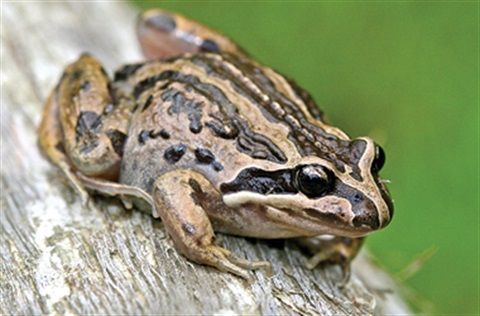
Frogs need water to lay their eggs and for tadpoles to grow into frogs. Tadpoles feed on algae and decaying plant matter.
Frogs spend their non-breeding life away from water and eat insects. They are very quiet during this time.
Options for attracting frogs to your garden
- Build a frog pond to attract breeding frogs to sing their chorus to attract a mate and lay their eggs.
- Create a moist, shady area in your garden as a frog hide-away for non-breeding frogs to burrow under a log or mulch and quietly hop about feeding.
Habitat tips for a frog pond
- Locate your pond in a low-lying section of your garden that has 70% shade
- Avoid locating your frog pond under trees that drop leaves
- Ensure your pond includes gentle sloping side entry points and deeper sections for potted aquatic plants
- Add rocks and logs and cover the bottom with gravel
- Fill with rainwater or tap water (chlorinated tap water needs to stand for at least 24 hours)
- Add a variety of indigenous aquatic and semi-aquatic plants as well as plants that thrive in moist soil
- Lock up your pets or prevent cats from entering your pond surround
- Avoid pumps and do not add fish as they kill tadpoles
Habitat tips for a frog hide-away
- Plant lots of indigenous groundcovers, grasses and some small shrubs
- Find a moist, shady area in a quiet part of your garden
- Provide shelter such as logs with holes and loose bark or rocks
- Terracotta pots lying on their side also provide a cool, damp shelter for frogs
- Add pine bark or eucalyptus mulch
Threats
- Cats and dogs especially at night
- Carnivorous birds and Indian Mynas
- Pesticides
- Lack of plants
- Frog Chytrid fungus
- Draining of wetlands
- Loss of wetland plants
Download the factsheet: Attracting frogs to your garden(PDF, 912KB)